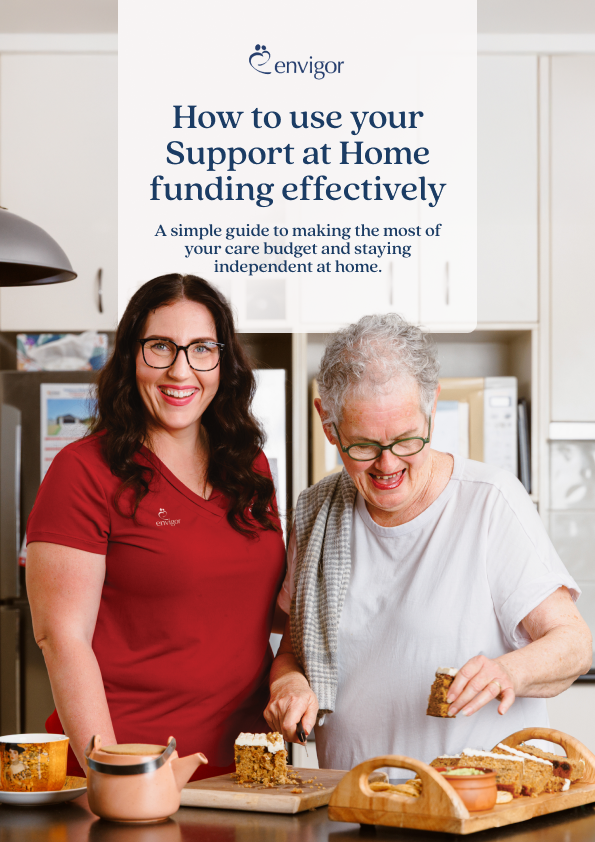

The key is to focus on realistic goals – not resolutions – that support your independence and wellbeing over the long term. Here are some simple ideas to get started.
Establish or maintain an exercise routine
Regular movement is one of the most powerful ways to improve your health, mobility and mood. Exercise helps maintain strength and balance, supports heart and bone health, and reduces the risk of chronic illness and falls, which are the leading cause of injury resulting in hospital admissions and the leading cause of death for older Australians.
You don’t have to do anything extreme – even a daily walk, stretching routine or gentle class can make a big difference. The best exercise is the one you enjoy and can stick with, whether that’s walking with friends, water aerobics, tai chi or gardening.
If you’re unsure where to begin, speak to your GP or an exercise physiologist about safe options that suit your ability and health goals.
Eat a balanced and nourishing diet
Good nutrition fuels your body and supports your immune system, brain and energy levels. Instead of strict diets or short-term changes, aim for balance.
Fill your plate with colourful vegetables, fruit, whole grains, lean protein and healthy fats. Try to limit processed foods and high-sugar snacks. Staying hydrated is just as important – water, herbal teas and soups all help keep fluids up.
If cooking has become difficult, consider meal delivery options designed for seniors, or ask family members to help prepare larger batches that can be frozen for later.
Stay socially connected
Social connection is a vital part of healthy ageing. Spending time with others helps maintain mental sharpness, reduces feelings of loneliness and builds a sense of purpose.
Stay in touch with family and friends by planning regular catch-ups or shared activities. Consider joining a community club, men’s shed, walking group or volunteering program to meet new people with similar interests.
Even digital connection counts – video calls, online classes or community forums can help you feel close to others, even from home.
Look after your financial wellbeing
Financial stress can affect your health just as much as physical strain. It’s important to stay across your income, expenses and plans for the future.
Take time to review your budget and any ongoing payments. If you’re thinking about downsizing, accessing home care services, or making other lifestyle changes, it can help to speak with a financial adviser or someone who understands aged care finances.
Having a clear picture of your financial situation can reduce stress and help you make confident decisions about your care and lifestyle.
Check in on your overall wellbeing
It’s easy to focus on one area of health and forget about the bigger picture. Checking in on your overall wellbeing – including physical, social and financial health – can help you spot gaps before they become problems.
There are a number of resources available for seniors wanting ideas to improve their overall wellbeing. Check out Active Ageing Australia as a great starting point.
Staying motivated
Healthy ageing isn’t about overhauling your life – it’s about small, sustainable steps. Whether you start by walking more, eating better, reconnecting with friends, or planning your finances, every improvement adds up over time.
Set goals that feel achievable, celebrate your progress, and remember that it’s never too late to take charge of your health and wellbeing. A good way to get started is to think about areas of your life you’d like to improve and then set about establishing some healthy habits in that area. Here are some ideas.