
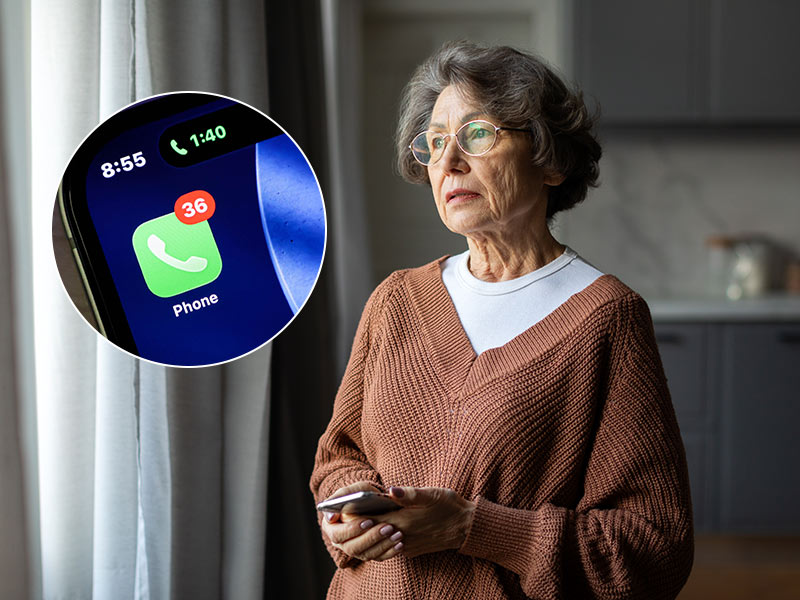
Yet we talk to plenty of people whose care has started to feel exactly like that.
Calls aren’t returned. Nobody seems quite sure who their care manager is. Statements turn up late, or don’t make much sense when they do. A different worker arrives every week. And somehow, the person receiving the care ends up doing all the chasing.
One stuff-up doesn’t mean you have a bad provider. Everyone gets things wrong occasionally.
But when the stuff-ups become the system, that’s different.
Here are eight signs it might be time to expect better.
1. You do not know who is responsible for your care
You should know who your main contact is and how to reach them. If you’re hitting a call centre queue, that is a big red flag.
Your care partner or care manager should understand your needs, know what services you receive and be able to help when something changes.
It may be a concern if:
- You are regularly passed between different people
- You do not know the name of your care manager
- Nobody seems to understand your full situation
- You have to explain the same information every time you call
You should not feel like a stranger to the people managing your support.
2. Your calls and emails regularly go unanswered
Everyone misses a call occasionally. The problem is when poor communication becomes normal.
You should not have to repeatedly follow up just to get a simple answer.
Warning signs can include:
- Calls are rarely returned
- Emails go unanswered for days
- You spend long periods waiting in a call centre queue
- Nobody takes responsibility for resolving your concern
- You are promised a response but never receive one
You should feel comfortable contacting your provider and confident that someone will follow through.
3. Your services are unreliable
Occasional changes can happen, particularly when a worker is sick or unavailable.
However, frequent cancellations, unexplained changes or inconsistent workers can make it difficult to rely on your care.
It may be time to ask questions if:
- Services are regularly cancelled
- Replacement workers are not offered
- Workers arrive late without notice
- Your schedule changes frequently
- You never know who will be coming to your home
Reliable care is about more than convenience. It helps you feel safe, supported and able to plan your week.
4. Your statements are late or difficult to understand
You should be able to see how your funding is being used.
Your statements should clearly show your available balance, the services you have received, the fees you have paid and any changes to your budget.
It may be a warning sign if:
- Statements regularly arrive late
- Charges are difficult to understand
- You cannot get a clear explanation of your balance
- You are unsure what fees you are paying
- You do not know whether your funding is being fully used
You should never feel embarrassed about asking questions. It is your funding, and you have the right to understand it.
5. Your care no longer matches your needs
Your care should change as your health, confidence and circumstances change. And that includes improvements or declining health.
A good provider should review your care regularly and respond when you need more support, different services or a new approach. In fact, they should be providing care management every month.
You may not be receiving enough support if:
- Your care plan has not been reviewed for a long time
- Changes in your health have not been addressed
- You are receiving services that are no longer useful
- Nobody asks whether your care is helping
- You feel less safe or independent than you did before
Home care should not simply continue on autopilot. It should continue to work for you.
6. Your family has to manage everything
Many families are happy to help, but they should not have to do a fully managed provider’s job.
It may be a concern if your family is constantly:
- Chasing returned calls
- Organising replacement services
- Explaining your needs to new staff
- Checking statements for errors
- Following up unresolved problems
- Trying to work out who is responsible
Your provider should reduce stress for you and your family, not add to it.
7. You feel like your concerns are not taken seriously
You should feel heard when you raise a problem.
Even when an issue cannot be fixed immediately, your provider should explain what is happening, what they can do and when you can expect an update.
Warning signs include:
- Concerns are dismissed
- Complaints do not lead to change
- You receive vague answers
- Problems keep happening
- Nobody follows up after an issue is raised
Good service is not about never making a mistake. It is about taking responsibility when something goes wrong.
8. You are doing more chasing than receiving care
Home care should not feel like another job.
When you spend more time following up your provider than feeling supported by them, something is not working.
You deserve to know:
- Who is looking after your care
- Who to call when you need help
- How your funding is being used
- What happens when a service changes
- Whether your care still meets your needs
Are these problems normal?
No provider will be perfect, and an occasional delay or change does not necessarily mean you need to leave. The important question is whether the problem is occasional or ongoing.
A single missed call can happen but repeatedly being ignored is different. One cancelled service can happen but regular cancellations without support are different. One confusing statement can be explained but months of uncertainty is not on.
If this pattern sounds like your provider, you’re not getting the care you deserve.
What can you do?
Start by writing down the problems you have experienced and the questions you want answered.
Speak with your provider and ask them to explain:
- Who is responsible for your care
- How they will improve communication
- How cancellations will be managed
- When you will receive clear statements
- How your care will be reviewed
Give them a reasonable opportunity to respond. But if the same problems continue, it may be worth speaking with another provider.
Changing providers can feel daunting, but it is often simpler than people expect. A new provider can explain the process, help organise the transfer and work with you to reduce disruption to your care.
You deserve care you can rely on
You are not being difficult by expecting calls to be returned, services to arrive and information to be clear. These are reasonable expectations.
You should know who is looking after your care and trust that they will be there when you need them.
At Envigor, our local care teams take the time to know you, understand your care and help you feel confident about the support you receive.
If your current home care is creating more stress than support, a conversation with your local Envigor team may help you understand your options. Get in touch with your local team here.