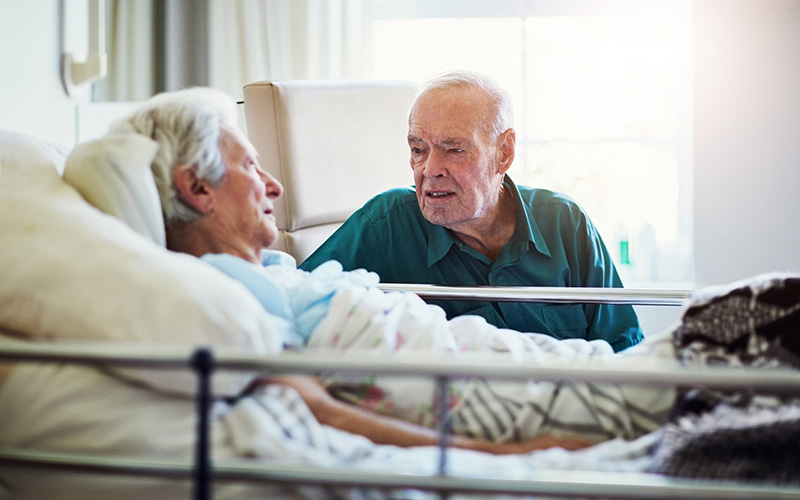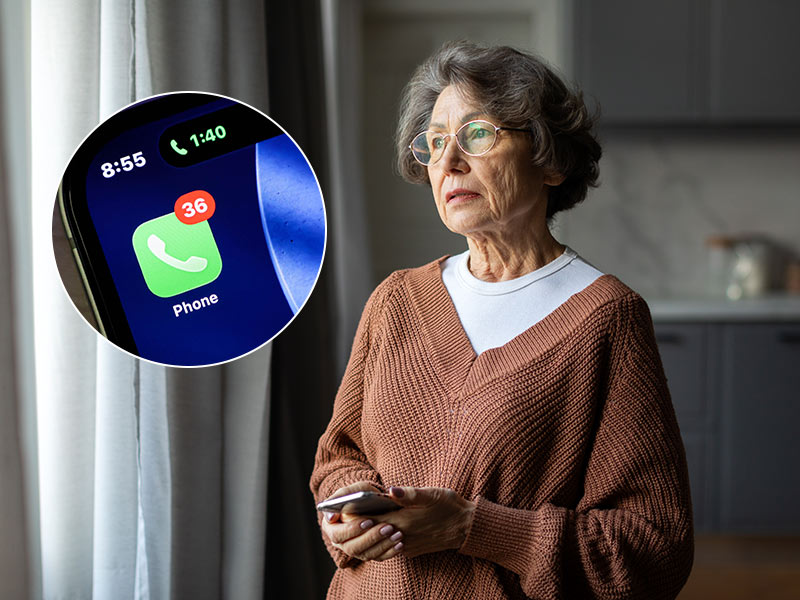
Although falls are common, they are not a normal part of ageing. Many can be prevented with small adjustments to daily habits, the home environment and the type of support someone receives. And when they do happen (regardless of whether you’re injured or not), they need to be taken seriously. Not as an embarrassing episode to brush off, but as useful information about what needs to change.
Falls facts every older Australian should know
The numbers show just how significant, and how preventable, this issue is.
One in three Australians aged 65 and over have at least one fall each year. Half of those who fall will fall again within the same year. Older adults make up the largest proportion of fall-related hospital admissions in Australia, and Australians aged 85 and over have the highest rates of serious fall injuries and deaths. Up to 60 per cent of people who fall develop a fear of falling afterwards – and that fear, left unaddressed, can itself become a risk factor.
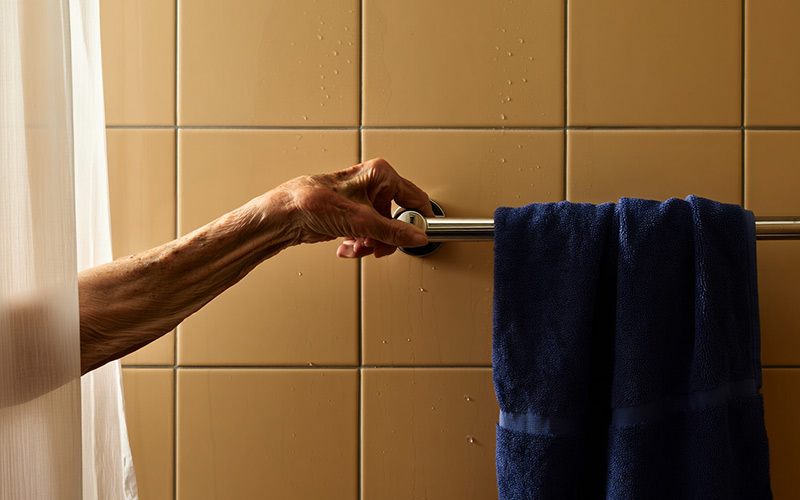
Most falls happen at home, particularly in bathrooms, bedrooms and living areas.
It shows how important it is to take falls seriously – not as an unavoidable part of ageing, but as something we can meaningfully influence with the right support.
The most common causes of falls
Falls usually occur because of a combination of small issues. Understanding what’s contributing makes prevention much more targeted.
Changes in the body
Reduced leg and core strength, changes in balance, poor vision, chronic health conditions and certain medications can all affect stability. Medication side effects – particularly dizziness, low blood pressure when standing, and drowsiness – are one of the most commonly overlooked contributors to fall risk, and one of the most actionable.
Hazards in the home
Cluttered walkways, poor lighting, loose rugs, slippery bathroom surfaces and furniture placed too closely together all create unnecessary risk. These are not unavoidable parts of ageing. They are indicators that the environment needs to adapt.
Movement is the strongest prevention tool
Research consistently shows that regular physical activity is the single most effective thing an older person can do to reduce their risk of falling. Exercise improves strength, balance, coordination and confidence, all of which directly affect stability.
This doesn’t mean intense gym sessions. Walking, chair-based exercises, tai chi and balance-focused movement programs can all make a significant difference. The key is consistency.
For people who are already deconditioned or recovering from a fall, starting slowly with the support of a physiotherapist or occupational therapist is a sensible first step. Envigor’s Support at Home packages can include allied health support, including physio and OT visits, through the Clinical support category.
Ask your GP about a medication review
If you or a loved one is on multiple medications, a medication review with a GP is one of the most practical steps you can take. Many common medications -0 including some blood pressure treatments, sleep aids, antihistamines and antidepressants – can cause dizziness, affect balance or reduce reaction time.
A GP can assess which medications may be contributing to fall risk and discuss whether adjustments are appropriate. This is a free conversation worth having, and one that families often overlook.
Address the fear of falling, not just the risk
When someone falls, the physical recovery is often only half the challenge. Up to 60 per cent of older people who fall develop a fear of falling again, and that fear frequently leads to reduced activity. Less activity means weaker muscles and poorer balance, which actually increases the risk of future falls.
If you or a loved one has become more cautious, withdrawn from activities, or reluctant to move around the home freely, it’s worth addressing it directly. A conversation with a GP, a physiotherapist, or an Envigor Care Services Manager can help identify practical steps to rebuild confidence gradually – including supervised movement, home adjustments, or regular carer support during higher-risk activities.
Nutrition and hydration matter more than most people realise
Dehydration is a surprisingly common contributor to falls in older adults. Even mild dehydration can affect concentration, balance and reaction time. Aand older people are often less aware of thirst signals than younger people.
Adequate calcium and vitamin D are also important for bone strength. If a fall does occur, good bone density significantly reduces the risk of fracture. A GP can check vitamin D levels and advise on supplementation if needed.
Making the home safer
A safe home does not need to look clinical. It simply needs to make movement easier and reduce hazards. Some practical changes to consider:
- Clear clutter from pathways, particularly in hallways, between furniture, and near the bed.
- Improve lighting in hallways, bathrooms and bedrooms – motion-activated night lights are particularly useful.
- Remove or secure loose rugs.
- Install grab rails in bathrooms, near the toilet and in the shower.
- Make seating stable and at the right height – getting up from low chairs and sofas is a common fall trigger.
- Keep everyday items in accessible places so reaching and bending are minimised.
- Add contrast markings to steps or edges to improve visibility.
These changes make the home easier to navigate and help rebuild confidence in daily movement.
Consider a professional home safety assessment
While the tips above are a good starting point, an occupational therapist (OT) can conduct a formal home safety assessment – visiting the home, identifying specific risks and recommending targeted modifications and equipment. This goes well beyond a DIY checklist and can make a significant difference for people with more complex needs.
Importantly, a home safety assessment and OT support can be funded through the Assistive Technology and Home Modifications stream of the Support at Home program. If your loved one has a Support at Home package and hasn’t had an OT assessment, it’s worth asking your provider whether this can be arranged.
Footwear, clothing and vision all play a role
Good footwear is essential. Choose shoes with heel support, non-slip soles and secure fastenings. Avoid socks on tiles, open-backed shoes or loose slippers – these are among the most common footwear-related fall hazards.
Vision also affects balance. Regular eye checks and well-lit spaces support safer movement. A simple magnifier near medication or reading areas can also help.
If a fall happens, treat it as useful information
Firstly, we hope you or your loved one is OK after the fall. Beyond immediate recovery, a fall is a signal that something needs attention. It’s worth reviewing what the person was doing, how the fall occurred, and what may have contributed, whether that’s a hazard in the home, a medication effect, fatigue or something else.
A GP visit after a fall is always a good idea, even if no injury is apparent. Falls are a recognised indicator that further assessment of health, vision, medications or home safety may be needed.
Frequently asked questions
What should I do immediately after a fall?
If the person is conscious and not in severe pain, help them to a safe position and stay calm. Don’t rush them to get up. Take a moment to assess whether they’re injured. If they’re unable to get up, in pain, or confused, call 000. After any fall, a GP visit is advisable even if the person seems fine, as some injuries and contributing factors aren’t immediately obvious.
How do I talk to a parent about fall risk without upsetting them?
Lead with what you’ve noticed rather than what you’ve decided. Something like, “I’ve noticed you seem a bit unsteady when you get up. We should have a chat about it” is less confronting than announcing a plan. Many people are more open to the conversation than their family expects, especially if they’ve had a near-miss themselves.
Can fall prevention support be funded through a Support at Home package?
Yes. Several types of support that directly reduce fall risk, including physiotherapy, occupational therapy, home safety assessments and personal care support, can be funded through Support at Home and the specific Assistive Technology and Home Modification stream. Clinical services such as allied health have no co-payment. Talk to your Envigor Care Services Manager about what’s possible.
At what point should I be worried about how often my parent is falling?
Even one fall should be taken seriously. More than one fall in a short period is a clear signal that a GP review, a home assessment, or a review of medications and activity levels is needed. Don’t wait for a serious injury before acting.