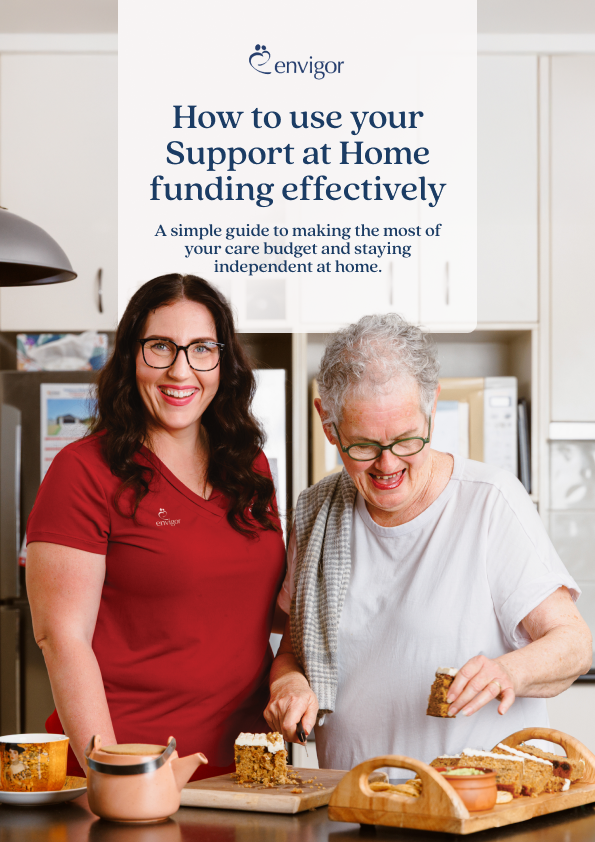

Many people expect that family or friends will be around to help with meals, transport and daily care, but that’s not always possible.
For older Australians living independently, the days and weeks after a hospital stay are a critical time. Good support can make all the difference between a smooth recovery and a setback that sends you back to hospital.
Why recovery at home can be challenging
When you’re recovering from surgery, illness or a fall, even simple tasks can take more effort than usual. Things like changing your sheets, preparing a meal, or getting to follow-up appointments can quickly become overwhelming – especially if you’re tired or unsteady on your feet.
Without the right support, it’s easy to skip meals, miss medication, or overexert yourself before your body is ready. That’s why planning ahead for help at home is so important.
Planning your discharge before you leave hospital
Before you’re discharged, talk to the hospital’s discharge planner, social worker or nurse coordinator about your situation at home. Let them know if you live alone or have limited support – they can help arrange short-term home care or community nursing services to assist you.
You can also contact My Aged Care to discuss whether you may qualify for short-term restorative care or home care support under government funding. These programs are designed specifically to help older Australians regain independence after illness or injury.
If you’re not eligible or prefer to arrange things privately, many providers – including Envigor – offer post-hospital home care that can be tailored to your needs and budget.
What post-hospital home care can include
Home care after a hospital stay can be as simple or comprehensive as you need. It’s about making sure you can rest, recover and focus on your health, while someone else takes care of the essentials.
Depending on your circumstances, support may include:
- Transport home from hospital and help getting settled
- Personal care such as showering, dressing and medication reminders
- Domestic assistance including laundry, cleaning and changing bed linen
- Meal preparation and grocery shopping
- Transport to and from medical appointments
- 24-hour care or overnight support if needed
Even a few hours of help each day can make recovery faster, safer and less stressful.
Tips for managing recovery when you live alone
Whether or not you have formal home care, there are practical steps you can take to make the transition home easier:
- If you can, prepare your home before you go into hospital. Stock up on easy-to-prepare meals, tidy walkways and place frequently used items within easy reach.
- Ask your healthcare team for a clear recovery plan. Know which medications you’ll need, when to resume normal activity, and what warning signs to watch for.
- Set up a check-in routine. Even if you don’t have nearby family, arrange regular calls with a friend or neighbour so someone knows you’re okay.
- Don’t rush back into routines. Healing takes time – give yourself permission to rest and accept help.
The importance of early support
Most hospital readmissions among older adults happen within 30 days of discharge – often because recovery support at home isn’t adequate. Short-term care, even just for a week or two, can make the difference between healing well and needing to return to hospital.
If you or a loved one are about to be discharged and worried about managing alone, it’s never too late to ask for help.
Support when you need it most
We provide flexible post-hospital care for older Australians who want to recover safely at home. Whether you need help for a few hours a week or round-the-clock care, our team can tailor support around your needs until you’re back on your feet. Get in touch.