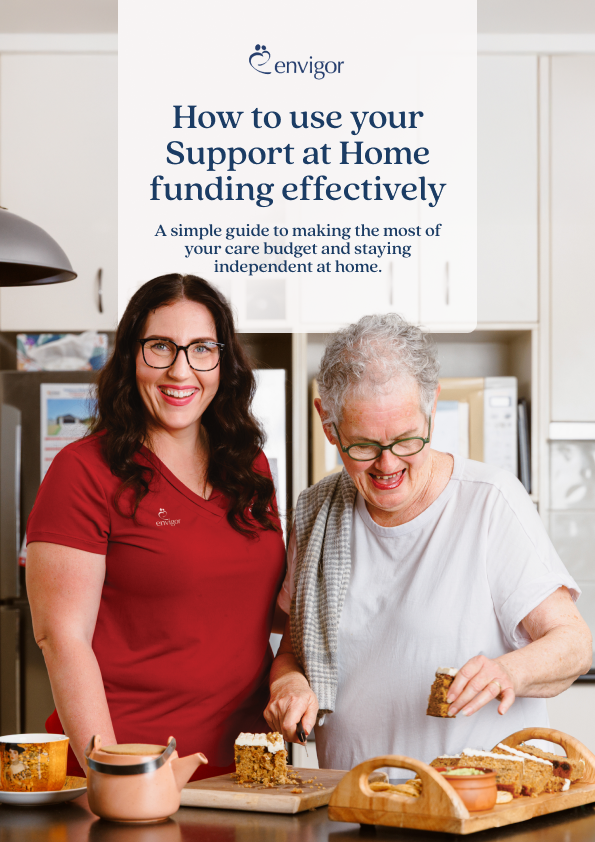

It’s a sensitive topic – full of emotion, practicality and change – but it’s also one of the most important conversations you can have. Talking about care early gives everyone more options, more time and far less stress when the time for decisions eventually arrives.
Why timing matters
The best time to talk about aged care is before a crisis forces the issue. Having the conversation early allows your loved one to share their preferences while they’re feeling well and able to make informed choices.
It also helps families avoid rushed decisions during a hospital stay or health emergency, when options may be limited and emotions are running high. Starting early means you can explore things such as Support at Home packages or respite services long before residential care becomes necessary.
How to recognise when it’s time to talk
There’s rarely a perfect moment to bring up aged care, but there are signs it might be time to start the discussion. You might notice your loved one:
- Struggling with daily activities such as cooking, cleaning or personal care
- Experiencing more frequent falls or accidents
- Forgetting appointments, medications or bills
- Appearing withdrawn, anxious or lonely
- Losing weight or neglecting meals
- Having difficulty driving safely or managing transport
These are not always signs that residential care is needed – but they do suggest it’s time to explore what support might help them stay independent and safe.
How to start the conversation
Begin with empathy. Acknowledge what you’ve noticed and express your concern in a caring, non-judgmental way. For example:
“I’ve noticed you seem a bit tired lately and you’ve mentioned finding the housework hard. How are you feeling about that?”
Try to frame the discussion around support, not loss of independence. The goal is to make life easier, not to take control away. Focus on their wishes and preferences. Ask:
- What would help you feel more comfortable at home?
- What do you most want to keep doing for yourself?
- How would you feel about having a bit of help now and then?
Listening is more powerful than convincing. Give your loved one time to think, and revisit the topic gently over several conversations rather than expecting one big decision.
Bring professionals into the picture
If you’re unsure where to start, your loved one’s GP can be a helpful first step. They can discuss health or safety concerns and refer your family for an aged care assessment, which identifies what government-funded support might be available.
Depending on the assessment, your loved one may be eligible for a Support at Home funding – a government program that can fund help with cleaning, personal care, transport and nursing, depending on need. This support allows many older Australians to remain in their own homes for years longer.
Your GP can also help coordinate referrals to allied health professionals such as occupational therapists, physiotherapists or social workers who can recommend home modifications and services to improve safety and independence.
Plan for more than just care
Aged care conversations often lead to broader questions about finances and future decision-making. It’s wise to discuss:
- Powers of Attorney and Guardianship – who will make financial and health decisions if your loved one can’t?
- Advance Care Directives – what kind of medical treatment they would or wouldn’t want.
- Financial advice – whether to sell the family home, fund care privately or use government subsidies.
These discussions can feel confronting, but having them early prevents stress later. A solicitor, financial planner or aged care specialist can guide you through these arrangements so decisions are clear and legally documented.
Managing emotions and family differences
Conversations about ageing can stir strong emotions. Parents may fear losing control, while adult children may disagree about what’s best. If tensions rise, it can help to involve a neutral third party – a counsellor, psychologist or social worker – who can facilitate calm discussion and keep the focus on your loved one’s needs and wishes.
Remember, the goal isn’t to win an argument. It’s to find shared understanding and a plan that respects everyone’s perspective.
Keep the conversation going
Aged care isn’t a single decision – it’s a process. Circumstances change, health fluctuates, and so do feelings about independence and support. After your first conversation, agree to check in again in a few months. Keep notes about what was discussed and gradually build a plan together.
You might start small by arranging light help at home through a government-funded provider such as Envigor. As needs increase, you’ll already have a foundation of trust, knowledge and choice.
Taking the first step
It’s never easy to talk about aged care, but avoiding the topic often makes things harder later. Starting early, listening openly and exploring support options can make the journey smoother for everyone involved.
We can help you understand home care options, organise assessments and create a support plan that keeps your loved one safe and independent at home for as long as possible.
If you’d like guidance on where to begin, contact Envigor and talk to our team.