
As we age, our bodies become less efficient at regulating temperature, thirst cues become less reliable, and the effects of dehydration or heat stress can escalate quickly. A little preparation and support can make a big difference.
At Envigor, our local care teams see first-hand how quickly heat can affect wellbeing. We also know that with the right habits and support, older people can stay safe, comfortable and confident throughout summer. Here’s what families and carers can do to help.
Keep hydrated throughout the day
Hydration is one of the simplest and most effective ways to prevent heat-related illness. Encourage older people to sip water regularly, even if they don’t feel thirsty – thirst can be a late sign of dehydration.
If plain water is unappealing, try chilled water with lemon or mint, herbal teas, or water-rich snacks such as watermelon, rockmelon, cucumbers, oranges and strawberries. Avoid drinks with caffeine or alcohol, which can increase fluid loss. Keep a jug within easy reach, and if mobility or memory is an issue, set gentle reminders or offer help to refill bottles.
Create a cool and comfortable environment
Staying cool at home is essential. Check that air-conditioning units and fans are working properly before the hottest months arrive. During the day, close curtains, blinds or window shades to block heat, and open windows in the early morning or evening when the air is cooler.
If home temperatures rise too high, arrange short visits to cool public places such as libraries, shopping centres, cinemas or local seniors’ centres. Cool showers, damp towels placed on the neck or arms, or soaking feet in a bowl of water can also help lower body temperature quickly.
Wear light and breathable clothing
Clothing makes a big difference in how the body handles heat. Encourage older people to wear lightweight, loose-fitting clothes made from cotton, linen or other breathable fabrics. Light colours reflect heat and keep the body cooler. When heading outside, a wide-brimmed hat and sunglasses offer valuable protection.
Check in regularly, especially during heatwaves
Older people who live alone or have limited mobility are particularly vulnerable during extreme heat. Regular check-ins from family, neighbours or carers provide reassurance and ensure someone notices early signs of heat stress.
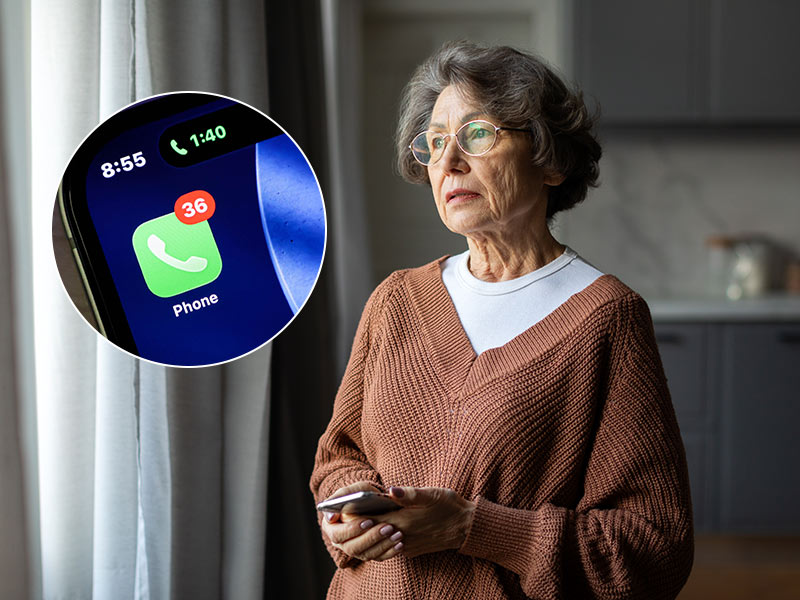
Make sure your loved one has a working phone close by, knows who to contact if they feel unwell, and has support arranged if temperatures climb unexpectedly. If Envigor provides care, our teams can increase check-ins during hot weather to help keep clients safe.
Know the signs of heat-related illness
Recognising early symptoms can prevent a medical emergency. Watch for signs such as excessive sweating, pale or clammy skin, weakness, fatigue, headache, dizziness, nausea or confusion.
If these signs appear, move the person to a cool place, offer small sips of water and rest. If symptoms worsen or there is any concern for safety, seek help immediately. In an emergency, call 000.
Be mindful of medication interactions
Some medications can affect how the body manages heat or hydration. Speak with a GP or pharmacist if you’re unsure whether your loved one needs extra monitoring on hot days.
Ensure medicines are stored correctly, as heat can affect their stability. A cool, dry place away from direct sunlight is best.
Plan outings and activities around the heat
Encourage older people to stay in a cooler environment during the hottest part of the day, usually between 10am and 4pm. Outdoor activities are best scheduled early in the morning or late in the afternoon.
When outside, sunscreen with SPF 30 or higher is essential, even for short trips. Heat stress can build quickly when combined with sun exposure.
A little planning can prevent a hospital visit
People often underestimate how tiring everyday tasks can become in extreme heat, especially for people living alone or managing health conditions. Heatwaves can lead to dehydration, falls, confusion and hospitalisation – but with early planning many of these risks can be avoided.